We Cannot Harvest All Year
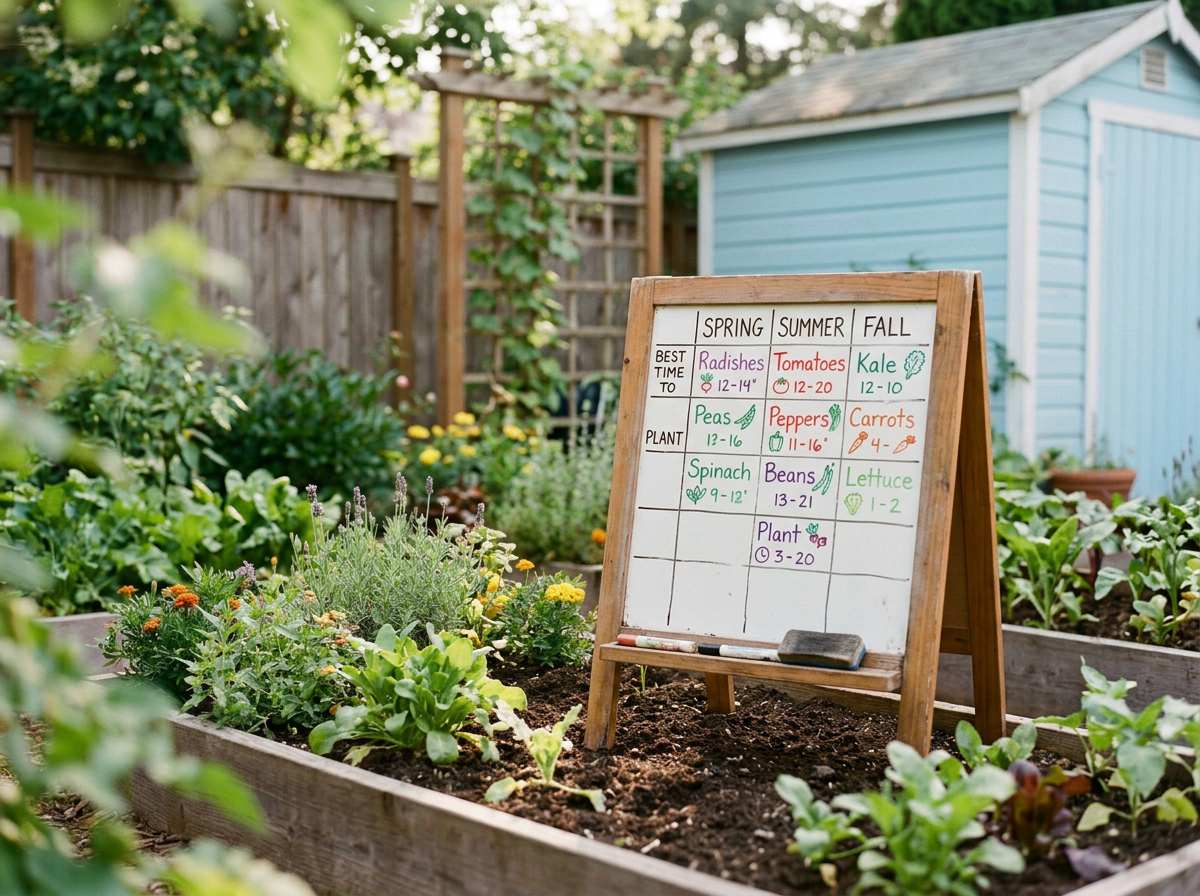
I’ve just returned from my writing sabbatical in Ireland, and my garden has not been tended for a month—some plants are right on track. The lettuces have gone to seed. Late summer always reminds me that growth has seasons.
Fields ripen slowly.
Orchards do not rush.
Gardens require tending long before anything is gathered…
Yet in so many organizations, we behave as though harvest should be constant — perpetual productivity, perpetual growth, perpetual output. We celebrate results while often overlooking the quieter conditions that made those results possible in the first place.
But the truth is simple: we cannot harvest all year.
Every meaningful harvest depends on seasons that look, from the outside, far less impressive. Seasons of preparation. Cultivation. Patience. Practice. Rest. Invisible root systems strengthening beneath the surface.
Leadership works this way, too.
Many of the outcomes that organizations need to meet their missions and goals — trust, resilience, innovation, strong teams, meaningful culture — develop slowly. They require repeated conversations, consistent behavior, and a willingness to keep tending something before evidence of growth is immediately visible.
This can feel uncomfortable in environments conditioned to prioritize speed and measurable results. Leaders often face pressure to demonstrate immediate impact, to prove value quickly, to move on if visible progress doesn’t happen fast enough. But some of the most important work inside organizations matures gradually and almost invisibly at first.
Trust is one example.
You cannot force trust into existence through a mission statement or a single retreat. Trust grows through accumulated experiences: respectful conversations, honest feedback, repaired misunderstandings, consistency over time. Like good soil, it develops through attention and care.
The same is true for people.
Most growth is not dramatic while it is happening. Confidence develops quietly. Teams learn each other slowly. New leaders often strengthen beneath the surface long before their capabilities become fully visible. Yet many people abandon the process too early because they mistake the absence of immediate results for the absence of progress. My most repeated coaching advice: stay the course.
Nature offers a different lesson.
Before the harvest comes pruning. Watering. Waiting. Seasons where the work feels repetitive and ordinary. And still, beneath the visible surface, essential things are happening.
Perhaps this is why sustainable leadership requires patience as much as ambition.
Strong leaders learn to recognize the season they are in. There are moments to push for results, certainly. But there are also moments to nourish relationships, clarify values, strengthen systems, or simply allow people time to integrate what they are learning.
Without these quieter seasons, constant harvesting eventually depletes the soil.
I sometimes see organizations unintentionally exhausting their own people this way — demanding continual output without creating enough space for renewal, reflection, or cultivation. Over time, even high performers begin operating from depletion rather than vitality. Creativity narrows. Energy fades. The culture becomes more transactional and less alive.
One organization, serving patients on the front line of the Covid 19 Pandemic, suffered from exhaustion, trauma, and living many months in the ambiguity of what path to take to meet their mission. I suggested that instead of our ordinary leadership retreat focused on strategy, leadership effectiveness, or even having those courageous conversations, we’d go take a cooking class together and learn to make dumplings.
It was risky, as this was a hard-working, focused group of leaders who felt like taking an afternoon away from their very important work was frivolous. I paid for the class so no one could say, “why are we paying for a cooking class? What does this have to do with leadership?” To my surprise, they showed up.
It was fun, people laughed, ate, told stories. Recently, three years after that class, one of the senior leaders shared he still uses the recipes and devotes one night a week to cooking with his wife of 40 years, even though that was never an activity they enjoyed together.
There is a time to plant.
A time to tend.
A time to harvest.
And a time to rest the ground before beginning again.
As summer shifts toward fall, many organizations are preparing for another season of visible activity — new initiatives, strategic plans, year-end goals. But perhaps this is also an opportunity to ask a deeper question:
What are we cultivating right now that is not yet ready to harvest?
Because the quieter work matters, too.
In many ways, it is the work that makes everything else possible.
Reflection:
What is your organization cultivating right now that your people need in order to truly thrive? Where might your team need more strategic clarity, creative thinking, courageous conversation, or grounded support before the next harvest can happen?
If you are leading through growth, change, fatigue, or cultural transformation, I would be honored to help you make space for both the performance your work requires and the deeper human work that sustains it. Let’s dig deeper!