What Are We Practicing? Change Your Cultural Narrative
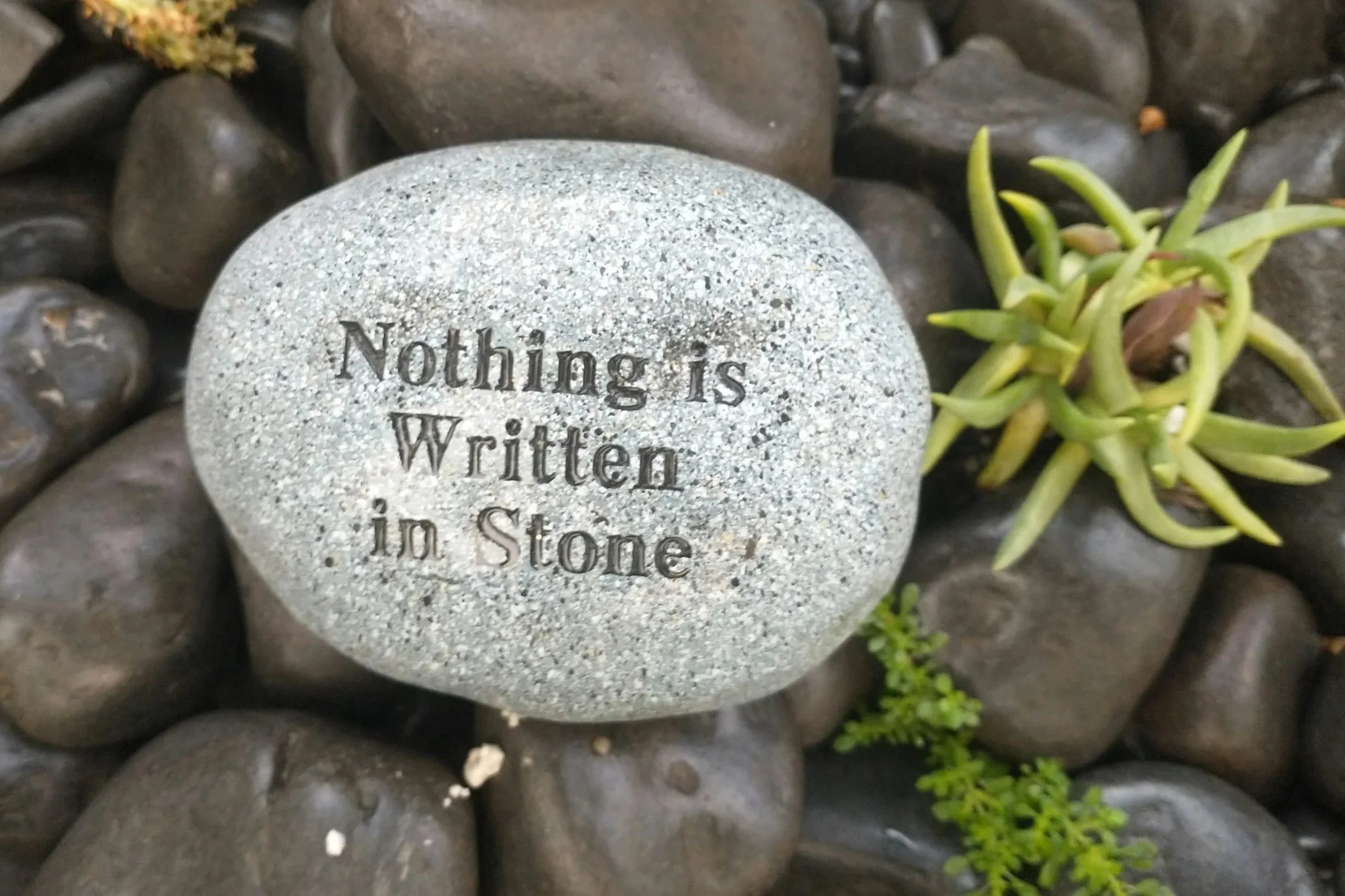
Every organization and team tells stories. Some appear in mission statements or marketing campaigns, but the ones that shape culture are usually quieter. They live in the phrases repeated in hallways, the assumptions carried into meetings, and the beliefs that quietly define what is possible. When we make a promise to “change the narrative” so that it aligns more closely with who we really want to be as a leader or team, we need to look closely at the things we say—the stories we are telling.
'We've always done it this way.'
'Leadership never listens.'
'We're too busy.'
'That's just how she is.'
These stories become invisible because we hear them so often—we’ve internalized them and retell them so much that we don’t even notice. Yet they influence behavior and culture far more than policies do.
Let’s take a look at the subtext of these seemingly simple narratives:
What happens when a response to a new idea is: “We’ve always done it this way”? Ideas get shut down; people retreat into rote behaviors, even when they’re not working as well as they could. We cut ourselves off from innovation or looking at something with fresh eyes. Often, it’s the newest person on the team who wants to know how we might try something new, so we also run the risk of alienating or devaluing a new member of the group.
Generally, when I hear “leadership never listens,” my answer is this: “Is this 100% true?” It’s not, of course, that no one in leadership is listening, and yet if we hear this, we can examine it from a few angles: why is there a gap in communication? Is the “not listening” comment about not feeling heard, or not getting what we want? Is the “not listening” feedback a valuable insight that needs to be examined because we are in advertently creating obstacles to clear, honest communication? True collaboration acknowledges that we have different roles and we need to work together. Us vs. them never turns out well in any organization I’ve ever seen.
The story of “we’re too busy,” is complex in the modern workplace. We wear a badge off busy-ness and brag about not sleeping or taking a break for a meal. Culturally, we perpetuate this by making busy-ness the marker of “working hard.” But what if that narrative isn’t working? What if we need to get better at prioritization or balancing our schedules? What if “we’re too busy” is about a disconnect between those doing the work and those assigning the work? Sometimes, “we’re too busy” is about fear of change or reluctance to try something new. Regardless, we need to investigate what we are really saying about our culture when this is the theme that begins and ends every conversation.
Finally, “that’s just how she is” dishonors the potential for change, collaboration, and transformation. Typically, when I hear that story, underneath is an unwillingness to have the courageous conversation about how someone’s behavior is impacting the workplace. This doesn’t mean somethings “wrong with her” or presupposes limitations, but it does suggest we create stories about each other that can be limiting and defining, and especially untrue.
When I work with organizations, I'm less interested in what people say they value than in the stories they consistently repeat. Those stories become culture. They determine what gets attempted, what gets avoided, and who people believe they can become together.
Changing the narrative doesn't begin with a new slogan. It begins with curiosity.
Ask: What story are we practicing every day? Is it a story of scarcity or possibility? Fear or trust? Blame or responsibility?
If we want a different culture, we must begin telling—and living—a different story.
And we can change our narrative one conversation at a time, one act of courage at a time, one moment of noticing at a time.
Ready to change the story your organization is telling?
If your team is caught in patterns that limit trust, communication, or meaningful change, you don’t have to work through them alone. I help leaders and organizations uncover the narratives shaping their culture, have the courageous conversations that matter, and create new ways of working together.
Let’s connect and explore what could shift for you, your team, and your organization.