Robust Discussion: Friction as a Feature of a Healthy Team
“Many
organizations
say they want
alignment.
What they
often mean
is agreement…”
Agreement feels efficient. It makes meetings shorter and decisions smoother. It reduces visible conflict and creates the comforting illusion that everyone is moving in the same direction.
But over time, too much agreement produces something far more dangerous than conflict: stagnation.
Healthy organizations are not frictionless.
They are dynamic systems made up of people with different experiences, instincts, and perspectives. When those differences are suppressed in the name of harmony, creativity narrows and innovation slows. Teams may look cohesive from the outside, but inside they are quietly disengaging.
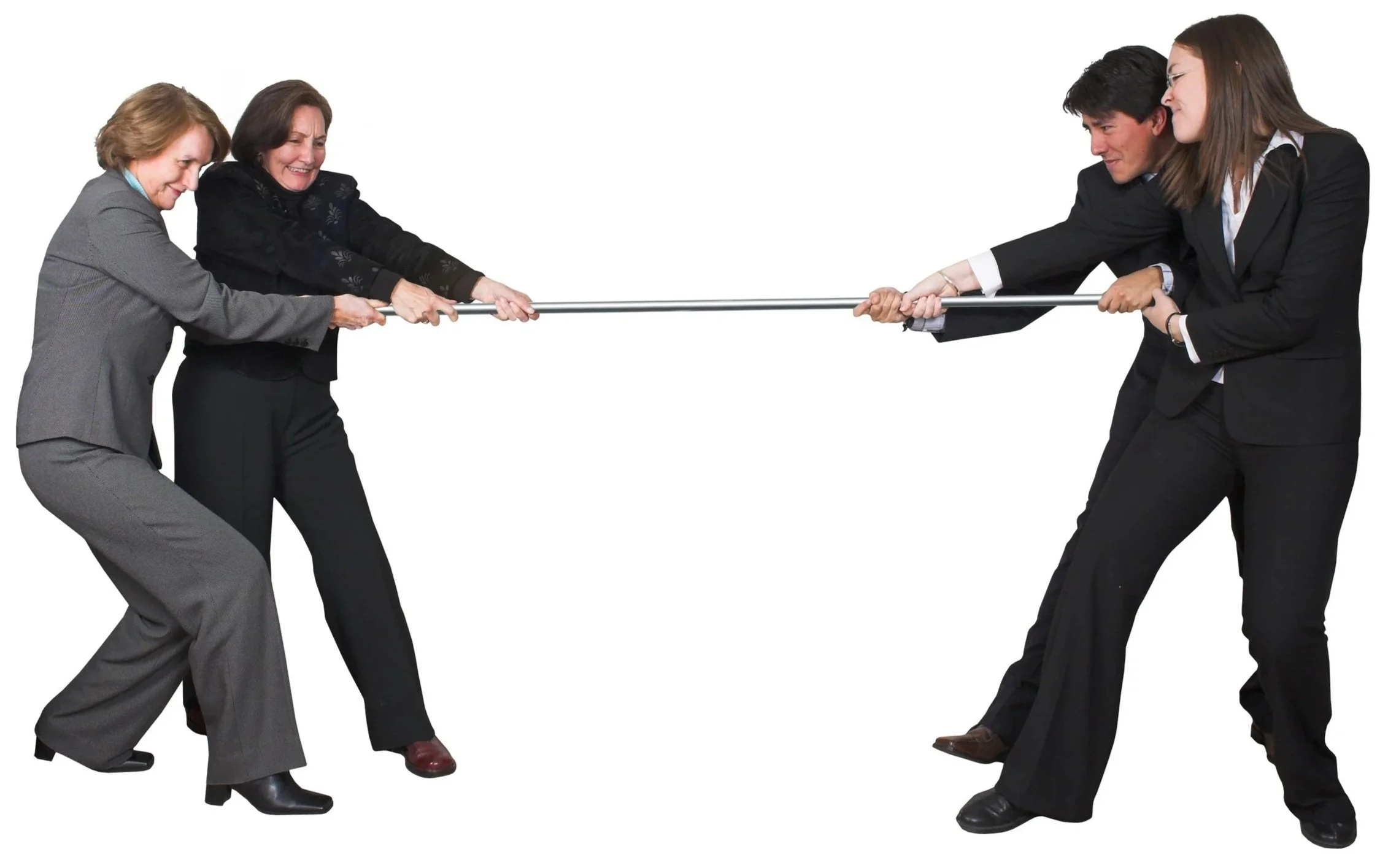
Friction, in this sense, is not a problem to be solved. It is a force to be understood and directed.
The most effective leaders recognize that tension is a natural byproduct of meaningful work. When people care deeply about outcomes, they will inevitably see things differently. The question is not whether friction will occur, but whether it will become productive or destructive. There is a sweet spot to which we aspire—a balance between outright conflict and the “niceness” of consensus: robust debate.
Robust discussion, which includes productive friction, is rooted in curiosity. It shows up as thoughtful challenge, rigorous debate, and a willingness to test ideas rather than defend egos. In environments where this kind of friction is welcomed, people feel safe questioning assumptions and proposing alternatives. The work improves because the thinking deepens.
Destructive friction, on the other hand, emerges when disagreement becomes personal or when fear shapes how people engage. Instead of challenging ideas, individuals protect territory. Conversations become coded, and decisions are made in hallways rather than in the room. Energy that could fuel progress is spent managing tension.
Leadership determines which form friction takes.
Leaders set the tone for how difference is experienced. When they think they are avoiding conflict, teams learn that silence is safer than candor. When they reward only speed and certainty, people hesitate to surface concerns. Conversely, when leaders model thoughtful disagreement — asking questions, acknowledging complexity, and demonstrating emotional steadiness — they create conditions where friction becomes generative.
This does not mean encouraging constant debate. It means normalizing the presence of differing viewpoints and providing structure for how they are explored. Clear decision processes, defined roles, and shared goals help channel tension into forward movement. We need the structured parameters of the containers that guide us.
There are practical ways to make friction a feature rather than a liability:
Frame disagreement as contribution. Language matters. Replace “pushback” with “perspective.”
Separate people from problems. Focus critique on ideas and outcomes, not on identity.
Slow key decisions just enough to allow real dialogue. Speed without reflection often produces rework.
Recognize the emotional dimension of conflict. Logical arguments are rarely the only dynamics at play.
Remember that every conversation has two elements: content and context.
The capacity to work through difference is not optional. Organizations need to navigate constant change, competing priorities, and increasing uncertainty. Leaders who equate calm with effectiveness may find themselves unprepared for the conversations that truly move work forward.
Friction, when engaged with skill and respect, sharpens thinking and strengthens relationships. It builds cultures that are both resilient and adaptive.
The goal is not to eliminate tension. It is to make it useful while also recognizing the human beings at the center of the conversation, too.
If you found yourself nodding and relating — CONGRATS BOSS! You’re recognizing the signs!
( Brief pause so you can celebrate this break-through moment! WOOT! )
If you’d like a thought partner to help you adopt, apply, and master the leadership tools in this blog post in a more personalized way, schedule a meeting with me. We’ll pinpoint how this shows up for you, then tailor a few simple moves to your leadership style and your team’s dynamics—so you can put them into practice right away and let friction drive the work forward, without the unwanted after-effects people often associate with that word.
Reach out now, you’ll be so glad you did. Let’s begin.