Your Leadership Is a Creative Practice
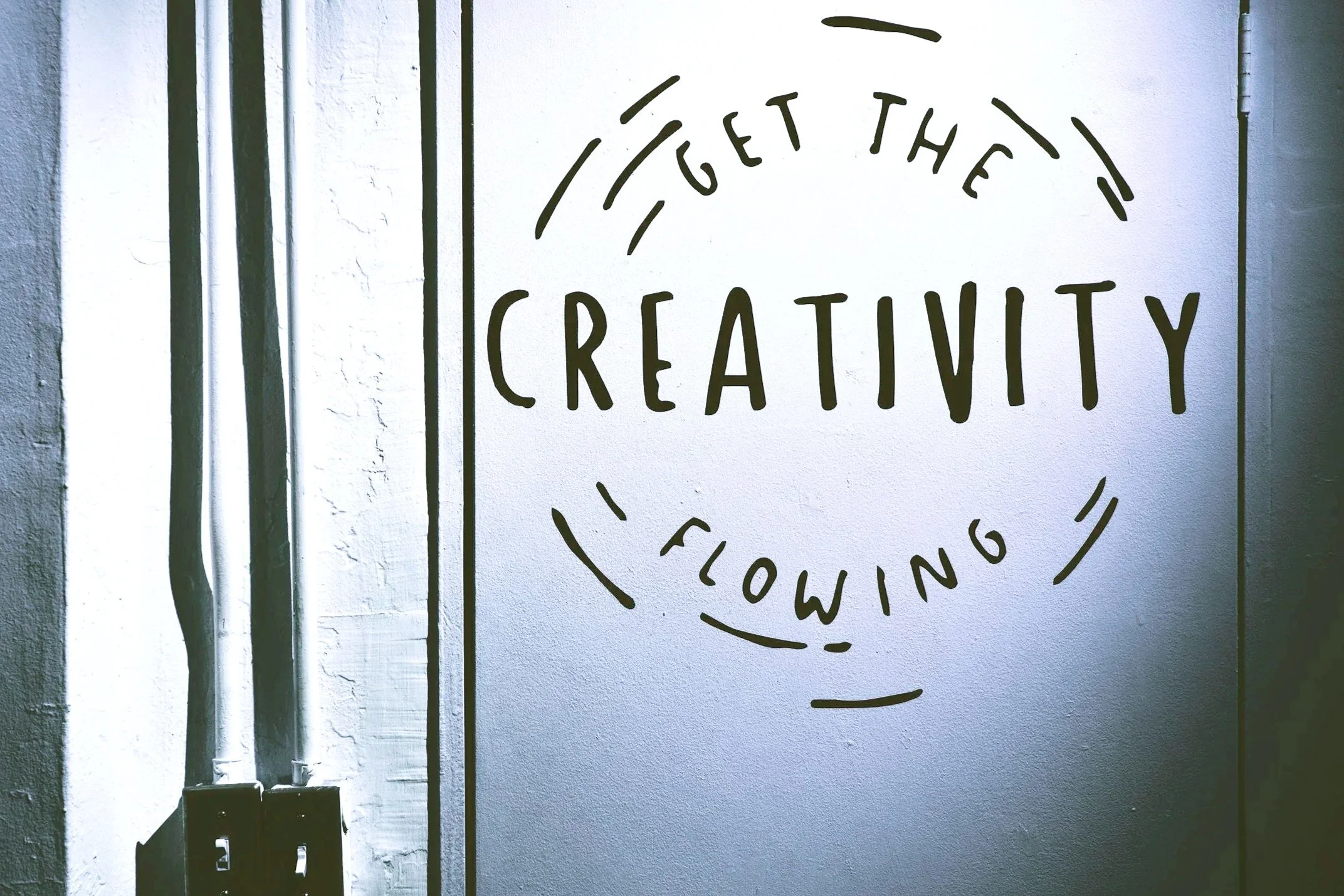
Many leaders were trained in systems, strategies, and execution.
Fewer were taught to think of their work as a creative act.
Yet every day,
leaders are shaping something intangible and alive: the culture of their teams.
They are composing conversations, designing experiences, and influencing how people feel about the work they do together.
In that sense, leadership is less like engineering and more like artistry. It is iterative, relational, and deeply human.
Creative leaders understand that their role is not to produce perfect outcomes, but to create the conditions where meaningful work can unfold. They know that innovation rarely arrives fully formed. It emerges through experimentation, reflection, and adjustment. Like an artist in a studio, the leader works with drafts, sketches, and prototypes—ideas that may or may not become the final piece.
Even though you might hear a popular trope: innovate or die, some organizations resist the idea that creativity, artistry, is at the center of innovation. This mindset requires a shift. Very often, leaders feel pressure to appear certain, decisive, and consistently “right.” Yet creativity asks something different: curiosity, humility, and a willingness to learn in public. When leaders model this openness, they invite their teams to do the same. Mistakes become information. Questions become momentum. The culture becomes more resilient because it is built on learning rather than perfection.
Creativity does not mean chaos. In fact, the most creative environments are often grounded in clear purpose and strong discipline. Artists work within constraints; leaders must do the same. When values are explicit and expectations understood, people are free to experiment without losing direction. Structure provides the frame that allows imagination to flourish. You can and should have your KPIs or measurements for success.
Think of the leader as both architect and artist. You design the environment—clarifying goals, allocating resources, setting boundaries. But within that structure, you also shape tone, language, and emotional climate. You decide whether meetings feel like rehearsals or performances, whether feedback is a critique or a collaboration, whether your team will thrive and create together, or become stifled and unable to perform. These subtle choices accumulate into culture.
In retail, where conditions shift quickly and customer expectations evolve constantly, this creative stance is particularly vital. Store teams, merchandisers, and operations leaders are continually adapting. When leaders treat challenges as creative opportunities rather than operational disruptions, they foster agility. A new display becomes an experiment. A customer complaint becomes insight. A slow sales period becomes an invitation to rethink the experience.
There are practical ways to bring creative leadership to life:
Replace the language of failure with the language of learning. After a project, ask not only “Did we succeed?” but “What did we discover?” Remember that a learning organization learns from everything.
Encourage small pilots instead of large, irreversible decisions. Experimentation builds confidence. I love a 90-day pilot!
Create space for reflection. A few minutes at the end of a meeting to ask, “What are we noticing?” can transform how teams process change.
Recognize creative effort, not just results. When people feel their thinking is valued, they invest more deeply. One company recognized their teams for the “best worst idea that didn’t work,” and contrary to what you might think—that it wasted time—instead it helped people understand that trying new ideas is what gets us to the best ideas.
Ultimately, creative leadership is not about being artistic in temperament. It’s not about thinking, “I’m not the creative type.” It is about approaching work as a living process rather than a fixed script. The leader’s task is to stay attentive—to the evolving needs of the business, the emotional currents of the team, and the possibilities that emerge when people are trusted to contribute.
In a world that often rewards speed and certainty, choosing creativity requires courage. It means admitting that the future cannot be fully planned, only shaped. It means guiding others through ambiguity with steadiness and imagination.
Great leaders don’t simply manage what exists. They help bring something new into being.
Let’s co-create bold ideas that help you lead with creative clarity. Great leaders don’t wait for inspiration—they cultivate it. Working with an experienced business coach accelerates that process. Together we’ll turn your ideas into clear strategies, transform uncertainty into confident decisions, and design leadership habits that inspire teams to perform at their best.
What you’ll gain:
A sharper vision: Clarify the future you want to create and the steps to get there.
Creative problem‑solving: Learn tools to generate breakthrough ideas and apply them under pressure.
Confident communication: Craft messages that align people, build trust, and motivate action.
Scalable leadership habits: Develop repeatable behaviors that grow your influence without burning you out.
Practical implementation: Move beyond theory with tailored plans, accountability, and measurable results.
Who this is for:
Emerging leaders ready to step up with impact.
Seasoned leaders seeking fresh perspectives and renewed influence.
Teams needing a catalytic change in creativity and alignment.
Let’s design a tailored session to explore where you are, where you want to go, and the creative leadership moves that will get you there. Book a discovery conversation and see how a few focused sessions can change the way you lead—more imaginative, more strategic, more effective.
Schedule a conversation with me! LETS CREATE