The Tide and the Task: How to Be a Better Surfer
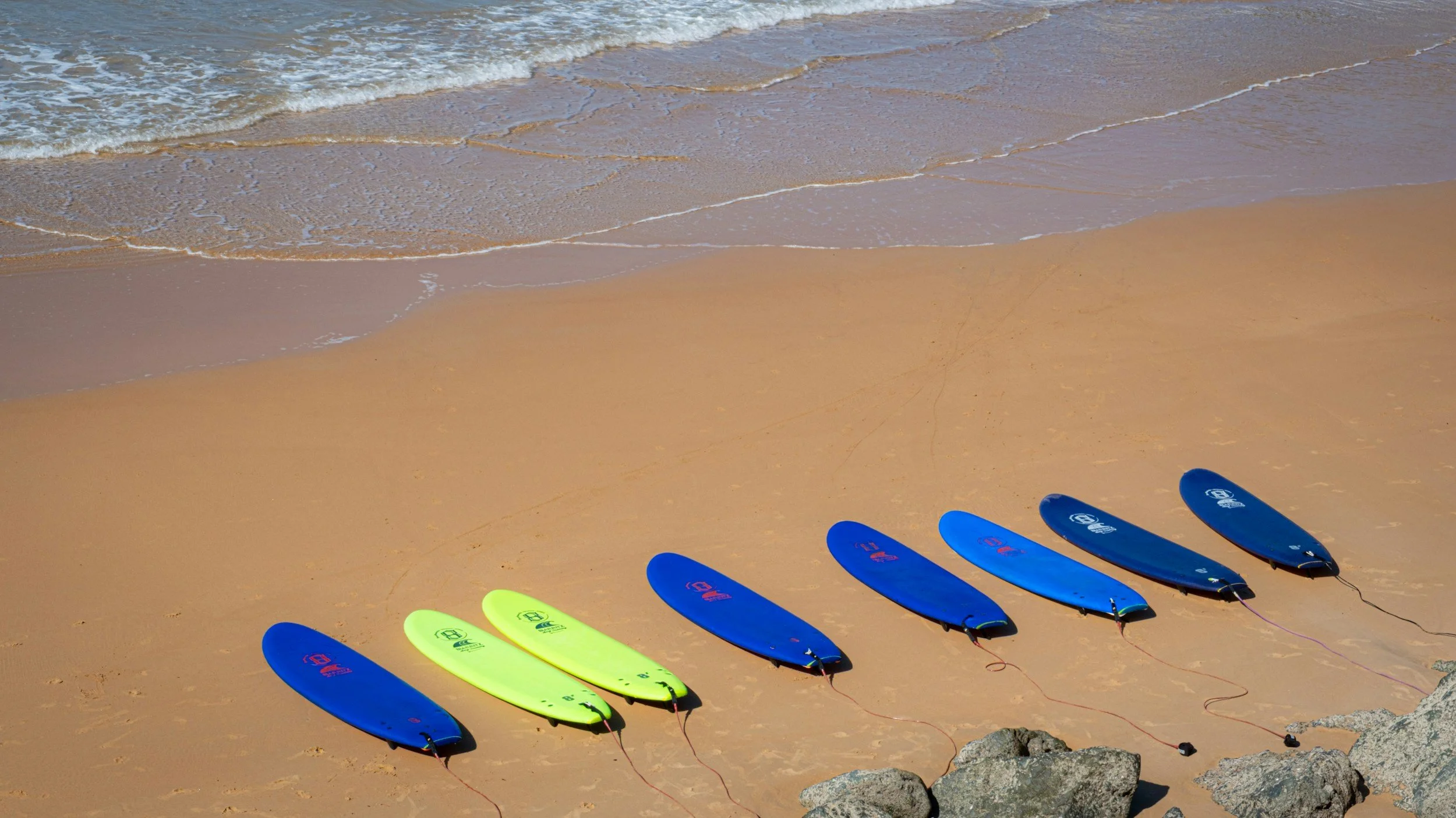
Every leader I know is caught between two powerful forces: the tide and the task.
The tide is the wide, rolling rhythm of purpose—vision, values, and the collective story we’re part of. It’s the sense of direction that reminds us why our work matters and where we’re headed…
The task, on the other hand, is the daily churn of doing emails, metrics, meetings, and the small necessary actions that keep everything moving. Both are essential. The tide gives meaning to the task; the task gives momentum to the tide. But too often, leaders get pulled under by one or the other—adrift in big ideas with no traction, or buried in busy work that the horizon disappears.
I’ve spent years working with leaders who feel that tug. They say things like, “I can’t seem to find time to think,” or “I spend all my time fighting fires.” These aren’t failures of discipline; they’re failures of rhythm. Culture and leadership depend on knowing when to lean into the tide—those expansive, meaning-making moments—and when to attend to the immediate, tangible tasks that give our work form. We need to know what’s ours to do, and what we need to delegate to our team, and the transfer isn’t often crystal clear.
When we live only in the tide, we risk abstraction. We talk about transformation and strategy, but never make the small commitments that bring them to life. When we live only in the task, we risk burnout. We confuse activity for impact and lose the joy that comes from remembering why we started in the first place. Healthy organizations, like healthy ecosystems, rely on both the ebb and flow.
Vision without execution is drift. Execution without vision is exhaustion.
So how can leaders hold both?
1. It starts with awareness. Notice where your energy naturally flows. Are you more drawn to the horizon or to the checklist? The goal isn’t balance in every moment; it’s the agility to move fluidly between the two.
Leaders who navigate this rhythm often build intentional pauses into their routines: a few minutes each morning to re-anchor in purpose, a weekly meeting that reconnects the team to shared values, and quarterly reflections that ask not just what we did but what we learned. These practices act like buoys, keeping the horizon in view even when the current gets strong.
2. There’s also a conversation to be had about permission. Many leaders I coach feel guilty for stepping back to think, to imagine, or simply to breathe. In a world that glorifies productivity, reflection can feel indulgent. But reflection is not rest—it’s leadership work. It’s the tide pulling back, making space for new patterns to emerge.
3. And for those leaders who spend too much time on the big picture. There’s wisdom in the task itself. The daily doing—the meeting, the mentoring, the listening—grounds vision in lived experience. The tide may guide us, but the task teaches us.
In truth, the most effective leaders are surfers of sorts. They learn to read the rhythm: when to paddle hard, when to rest, when to ride the swell that carries both purpose and performance forward. They understand that leadership isn’t a static posture but a dance with the forces of meaning and motion.
The tide will always return, and the tasks will never end. The art lies in knowing when to step back to see the larger movement and when to step in to move it along.
In the end, great leadership isn’t about choosing between the tide and the task—it’s about remembering that both are expressions of the same ocean.
Reach out for more guidance on how to fine-tune these concepts to your specific needs by posting your questions in the comment section below, or for a more intimate conversation, connect with me here.